At the heart of the Sealance Compliant Digital Asset Platform lies the innovative concept of “sealing” any digital asset into a compliant digital asset, from tokens to stablecoins to NFTs, and on any EVM-compatible platform such as Ethereum Mainnet, Polygon PoS (Sidechain), or Arbitrum One (Layer 2 platform). This involves wrapping a digital asset with one or more bespoke compliance policies that are enforced through user-generated privacy-preserving cryptographic certificates that are validated against said compliance policies. These policies can be finely tuned to individual users’ investment profiles, credit histories, legal identities, digital asset history, and a digital asset’s compliance nature.
Figure 1 below showcases the intuitive process flow within the Sealance platform:
- Initiation: A user or application triggers a transaction to “seal” a normal digital asset through user identity annotations evaluated against digital asset compliance policies, turning a non-compliant digital asset into a “sealed” (compliant) digital asset.
- Policy Verification: The Sealance Platform swiftly determines the relevant policy governing a digital asset and evaluates relevant digital asset transactions against those policies.
- Compliance Check: Cryptographically enhanced techniques, utilizing zero-knowledge proofs and encryption, verify if the transaction adheres to the designated policy. Sensitive data remains hidden throughout this process.
- Execution: If compliant, the transaction seamlessly executes on the target blockchain network.
- Audit Trail: A tamper-proof record of the transaction and its compliance verification is immutably stored on the target blockchain, ensuring transparency and accountability.
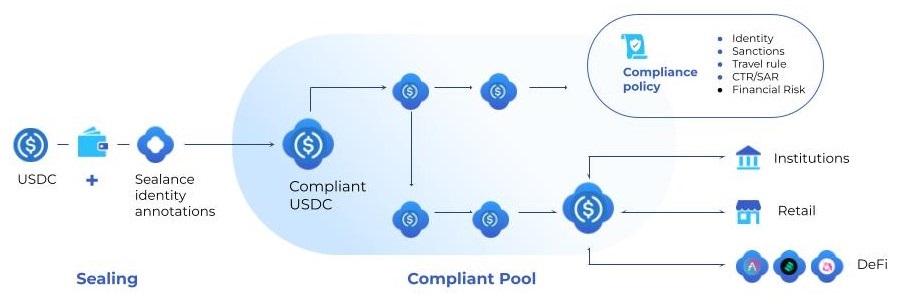
Fig. 1: High-Level Compliance Digital Asset Flow using the Sealance Compliant Digital Asset Platform
These core platform capabilities enable the platform’s key benefits:
- Effortless Compliance: Adherence to regulations like KYC and AML becomes simplified and automated.
- Enhanced Security: Robust encryption and advanced verification techniques minimize fraud and financial crime risks.
- Elevated Privacy: User and asset data remain shielded, fostering trust and confidence.
- Boosting Efficiency: The platform expedites payment processing and digital asset management, streamlining workflows.
Diving deeper into how the above flow is enabled by the platform, Fig.2 below shows the different components of the Sealance platform architecture:
-
Sealance-SDK-based dApps:
-
User Onboarding: This dApp component is responsible for verifying the identity of users and ensuring that they meet all compliance requirements to seal and transact on a compliant digital asset. shows that the onboarding process is integrated with KYC (Know Your Customer) validation services from companies such as Equifax.
-
Non-Custodial and Custodial Wallet providers: Non-custodial wallets such as Meta Mask can be easily integrated through a dApp frontend with the Sealance Platform’s SDK. Just as easily can custodial wallets from institutions that hold cryptocurrency assets for users be integrated with the Sealance Platform’s SDK. Fig.2 below shows that Sealance supports custody from both centralized exchanges and financial institutions (CeFi) and non-custodial wallets.
-
Sealance SDK: The Software Development Kit (SDK) that Sealance has built enables several key modules:
- Asset Management
- Identity Management
- Certificate Management
- Zero-Knowledge Cryptography Suite
that allow the user to create, manage, and exchange compliant digital assets at the most efficient and privacy-preserving level currently possible on public EVM-compatible networks.
-
-
Policy Engine on EVM-Compatible Platforms: This component is responsible for determining whether or not a transaction complies with financial regulations. Fig. 2 shows that the Policy Engine is integrated into smart contracts and cryptographic protocols that allow the engine to validate digital asset transaction compliance for both the sender and receiver of the digital asset and the digital asset itself.
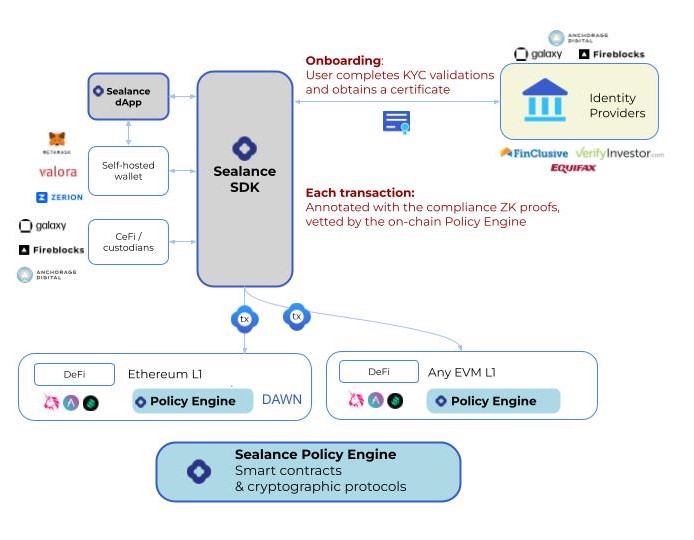
Fig.2: High-Level Sealance Platform Architecture
- Policy Engine on Aleo chain: This component is responsible for determining whether or not a transaction complies with financial regulations. Fig. 2 shows that the Policy Engine is integrated into smart contracts and cryptographic protocols that allow the engine to validate digital asset transaction compliance for both the sender and receiver of the digital asset and the digital asset itself.
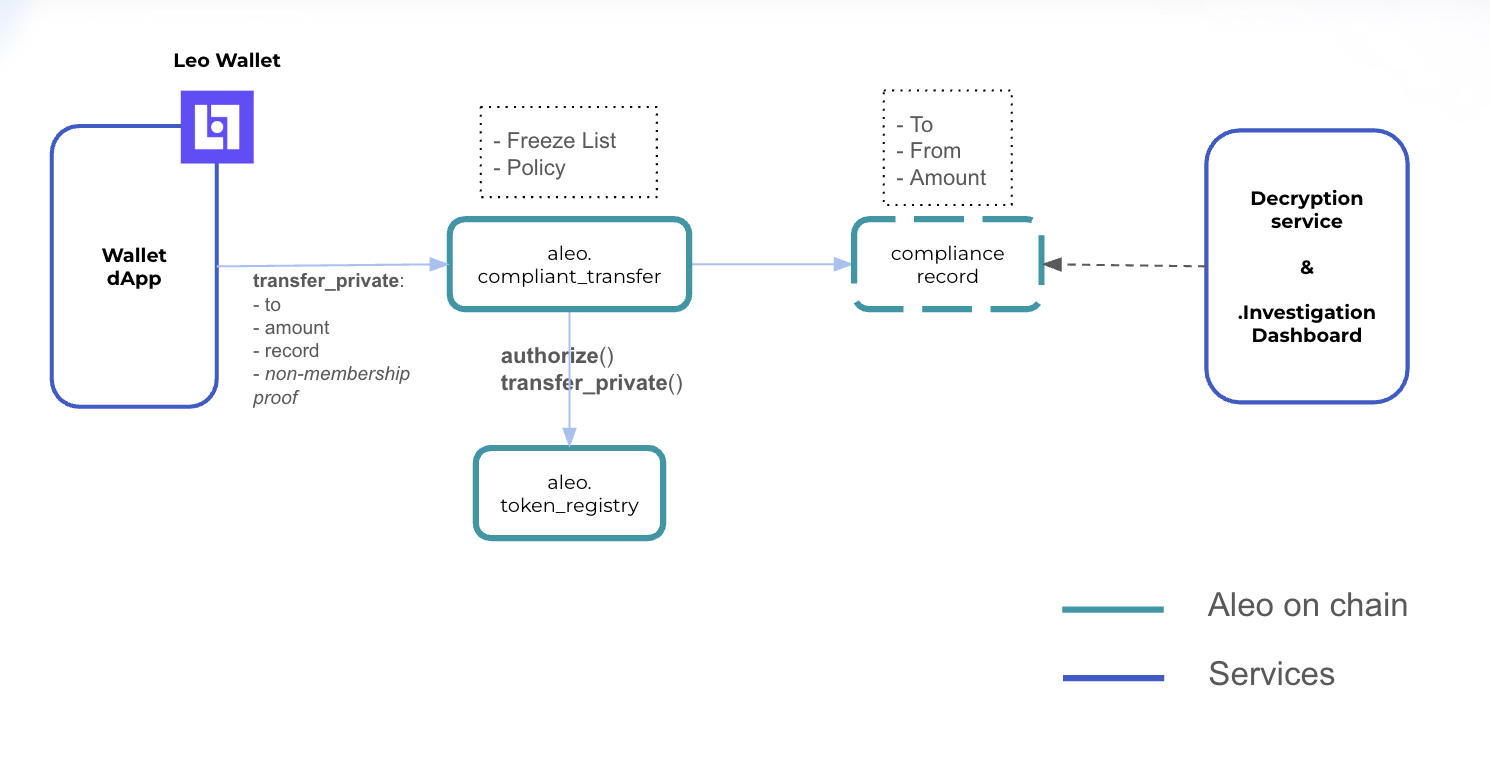
Fig.3: High-Level Sealance Platform Architecture